Soft Washing vs Pressure Washing: Why Low Pressure Suits Scottish Roofs
You've probably seen the videos. A power washer strips a filthy roof to bright clean tile in seconds, and it looks brilliant. On a Scottish slate roof, though, that satisfying blast can do more harm than good.
There's a better way, and it's the one most roofers who know old roofs will recommend. It's called soft washing.
The quick answer: Soft washing uses low-pressure water plus a biocide, while pressure washing hammers the roof with a high-pressure jet. For Scottish slate and older tiles, low pressure is the safe choice. It lifts moss without cracking slate or forcing water inside, and the biocide keeps the roof cleaner for longer.
1. What the two methods really mean
Pressure washing is what most people picture. A machine drives water out at high force through a narrow lance, and it scours everything in its path. It's great for a concrete driveway. A roof is a different story.
Soft washing works the other way. It uses water at low pressure, closer to a firm garden hose than a jet, and pairs it with a biocide that kills moss, algae and lichen. The chemistry does the work that brute force would otherwise do, so the surface never takes a battering.
One is about power. The other is about patience. On roofs, patience wins.
2. Why Scottish slate hates high pressure
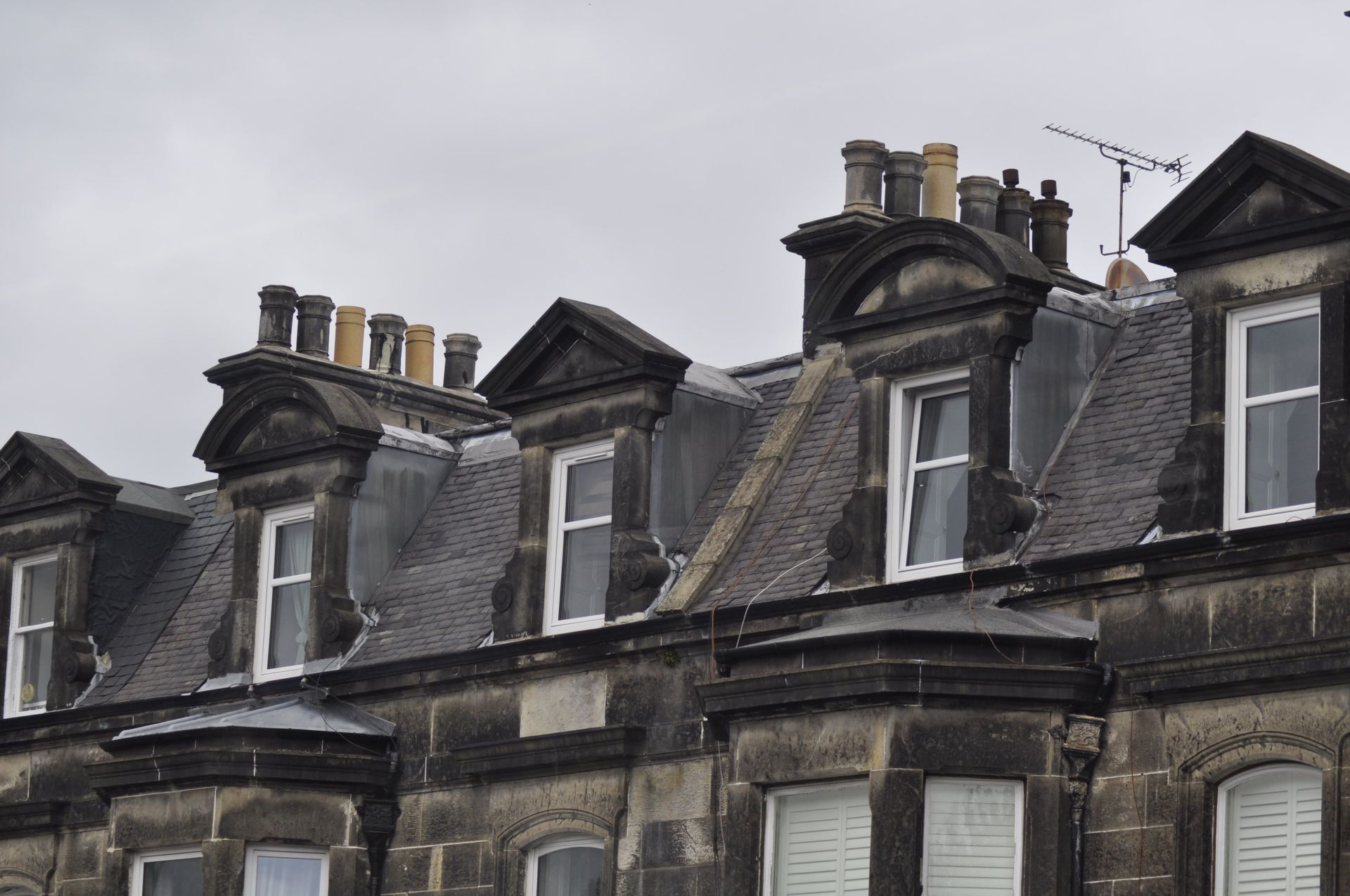
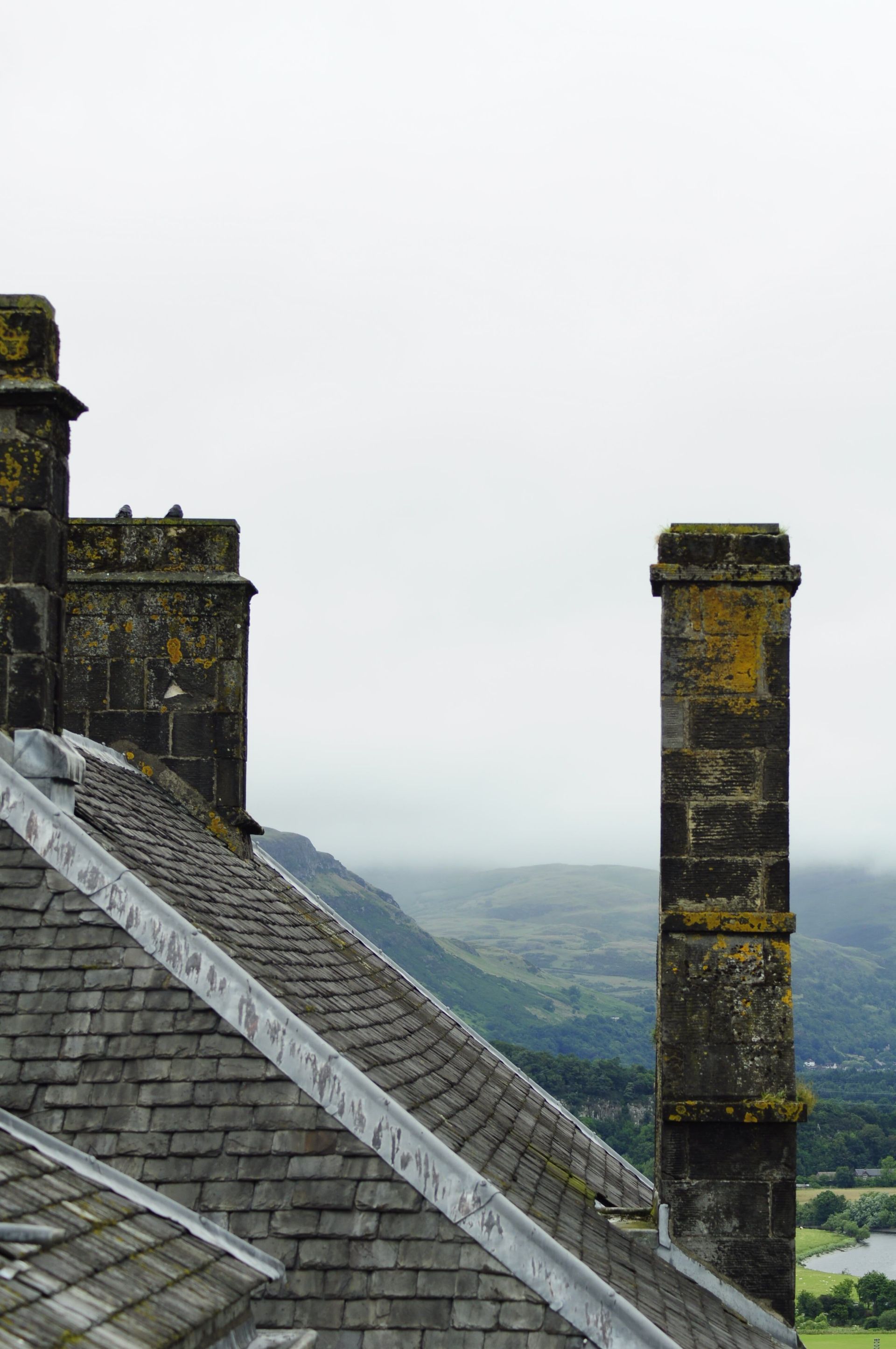
Traditional Scottish slate is hard and tough, quarried at spots like Ballachulish and the Slate Islands. But hard doesn't mean indestructible, and these slates are often a hundred years old or more.
A high-pressure jet can crack weathered slate, blast off the surface layer and drive water up under the laps where it's meant to stay out. It can also strip the old lime mortar around ridges and chimneys. On a wet Scottish roof that's already been through decades of freeze-thaw, that's the last thing it needs.
Soft washing sidesteps the lot. Low pressure lifts the moss off the surface without shocking the slate, and nothing gets forced where it shouldn't be.
3. The freeze-thaw problem behind it all
Here's the bit that catches people out. In Scotland, the damage often isn't the water going on, it's the water left behind.
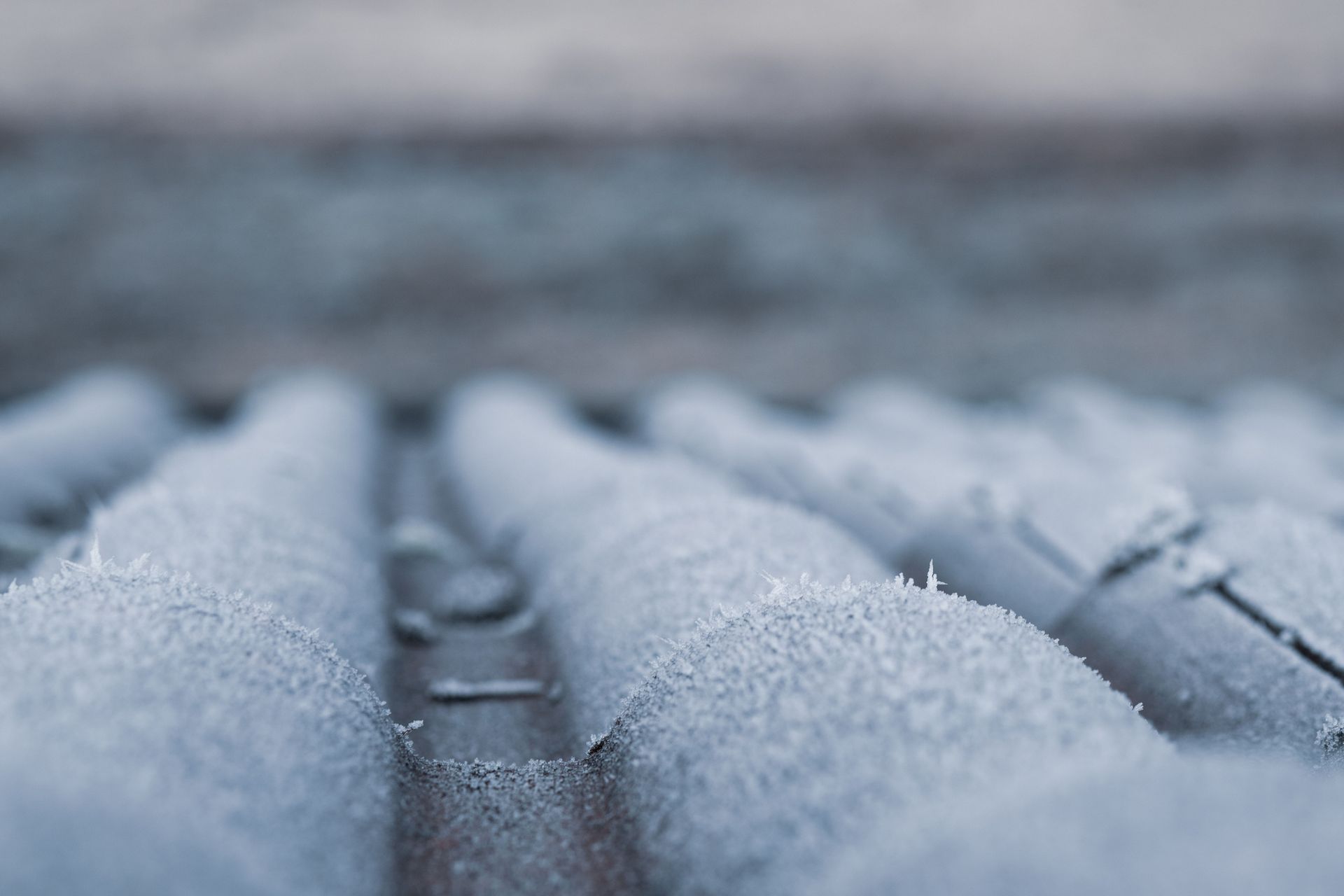
Any moisture that soaks into a cracked or roughened slate sits there. When the temperature drops below freezing, and it does that plenty across a Scottish winter, that water turns to ice and expands. Do it night after night and the tiny cracks grow. A roof that's been aggressively pressure washed has more of those weak points, so it suffers more from frost the following winter.
Gentle cleaning keeps the slate surface intact, which means fewer places for water to lodge and freeze. It's a small thing that adds up over years.
4. Why soft washing lasts longer
A jet wash can make a roof look spotless the same day. But it usually just removes what's on the surface, and the spores stay put. Within a season or two, the green is creeping back.
The biocide in a soft wash is the difference. It keeps working after the visit, killing off the moss and algae at the root and the spores you can't even see. So the roof doesn't just look clean, it stays clean for far longer.
Think of it this way:
- Pressure washing: fast, dramatic, but rough on old slate and quick to regrow.
- Soft washing: gentler on the roof, and the biocide slows regrowth for much longer.
- The slate itself: low pressure keeps the surface sound, which matters in a freeze-thaw climate.
- Water where it belongs: no high-force jet driving rain under the laps and into the roof space.
- Long-term cost: fewer cracked slates and repairs means you spend less over the life of the roof.
5. When a bit more pressure is fine
None of this means pressure washing is always wrong. It has its place, just not on your roof slates.
Hard surfaces like a concrete path, a patio or a solid driveway can take higher pressure without trouble. Some gutter and hard-surface jobs use more force safely because there's no fragile slate or mortar involved. The skill is matching the pressure to the surface, and knowing that a Victorian slate roof and a concrete drive are not the same animal.
A good roof cleaner reaches for the gentlest method that'll do the job. On Scottish slate, that's soft washing nearly every time.
6. What a soft wash looks like on the day
First comes the check. The roof is looked over for loose or cracked slates and any tired flashing, so nothing gets made worse.
Then the moss is cleared by hand and with low-pressure water, working down the slope so it all heads toward the gutter. A biocide treatment follows to kill what's left and slow the regrowth. The gutters get cleared of the loosened debris, and you get honest advice on when the roof will next want a look.
No drama. No blasting. Just a clean roof that stays that way.
Frequently Asked Questions
Is soft washing as effective as pressure washing?
For roofs, it's more effective over time. Pressure washing clears the surface fast but regrowth is quick. Soft washing uses a biocide that keeps working, so the roof stays clean much longer.
Will soft washing get my roof properly clean?
Yes. The moss and algae are removed and the biocide kills what's left. The roof may keep improving in the weeks after as the treatment does its job.
Why can't I just pressure wash my slate roof?
High pressure can crack old slates, strip the surface and force water underneath. On Scottish slate that's already weathered, it risks damage that costs far more than the clean.
Does pressure washing ever make sense?
On hard surfaces like driveways and patios, yes. It's the roof slates and old mortar that need the gentle approach.
How long will the results last?
With a biocide treatment, a good while, often a couple of years or more depending on how shaded and wet your roof is. A quick jet wash without treatment tends to regrow far sooner.
Not sure whether your roof needs a soft wash?
Ben's Roof Cleaning works across Scotland, with over 15 years of experience. Get in touch or call 0131 202 2140
for a free, no-obligation quote.
On a Scottish roof, gentle beats brute force every time
A high-pressure jet is fast and looks impressive, but it's rough on old slate and the clean rarely lasts. Soft washing takes the moss off gently, protects the surface from freeze-thaw damage, and the biocide keeps working long after the van has left. For the roofs Scotland actually has, that's the method that pays off.